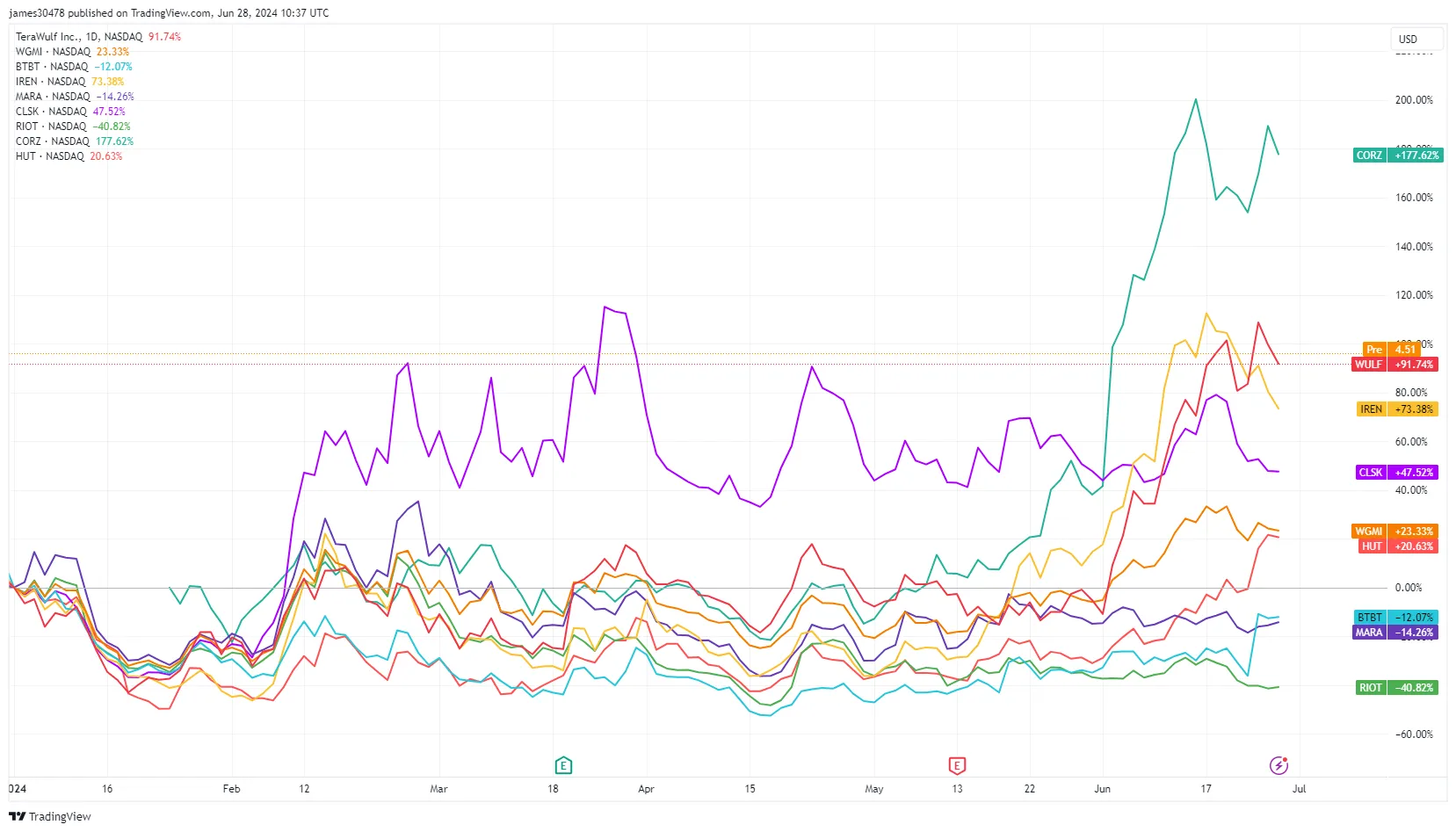

In recent developments within the technology sector, a fascinating shift has occurred that positions Bitcoin miners at the forefront of America’s burgeoning artificial intelligence (AI) industry. Once notorious for their high-energy consumption levels and controversial environmental impact, these mining operations are now redirecting their extensive computational capabilities towards advancing AI technologies—indicative of a significant pivot in their business model and focus.
Key Takeaways
The Transformation from Crypto Mining to AI Powerhouses
Traditionally, Bitcoin miners have utilized sophisticated hardware to solve complex mathematical problems, thereby validating transactions and securing the blockchain. This process, known as mining, is highly energy-intensive and requires substantial computational power. As the profitability of Bitcoin mining began to dwindle due to fluctuating crypto prices and increased regulatory scrutiny, miners explored alternative uses for their technological infrastructure.
The breakthrough came with the realization that the same high-powered GPUs (Graphics Processing Units) and other processing hardware used in mining could be repurposed for AI development, which similarly demands heavy computational capabilities. This shift is not only economically advantageous but also places Bitcoin miners at the strategic heart of the AI revolution.
Strategic Shift Among Major Players
Notable companies in the Bitcoin mining sector have already begun transitioning towards AI services. These firms are capitalizing on the existing data centers and computational resources initially set up for mining activities. By repurposing these capabilities, they offer cloud-based AI processing power to tech companies and startups focusing on developing AI-driven products and services.
This transition is supported by a conducive regulatory environment and governmental support in anticipation of substantial economic growth driven by AI advancements. Recognizing the potential, some states have begun offering incentives to attract AI businesses, leveraging the existing infrastructure of Bitcoin miners.
The Broader Implications for the Tech Industry
This pivot has significant implications for the broader technology sector. Firstly, it dramatically increases the availability of AI computational resources, potentially lowering the barriers for entry for startups and smaller enterprises that previously could not afford high-cost AI experimentation and development.
Secondly, it represents an effective reuse of technology infrastructure, aligning with broader environmental goals by reducing the demand for new production of specialized AI hardware. This not only conserves resources but also diminishes the ecological footprint of tech advancements.
Challenges and Opportunities
While this shift presents considerable opportunities, it is not without its challenges. The transition requires significant re-skilling and adaptation for the workforce involved in these mining operations. Additionally, the demand for computational power in AI is dynamic and can fluctuate based on the evolving needs and innovations within the field, necessitating agile adaptation from these newly-minted AI powerhouses.
Moreover, security concerns inherent in AI development such as data privacy, ethical AI usage, and potential misuse must be meticulously managed, especially given the high stakes involved in AI-driven technologies.
Conclusion
The transformation of America’s Bitcoin miners into AI powerhouses is a profound example of industrial adaptability and innovation. By repurposing their extensive computational resources, these miners are not only finding new avenues for profitability but are also contributing to the acceleration of AI technologies. This strategic pivot not only benefits the technology sector but could potentially influence a myriad of industries by making AI more accessible and sustainable. As this trend continues, it will be interesting to observe how it shapes the future landscape of the American technology industry.
Related: More from Bitcoin News | BTC Surges Above $71K Amidst Middle East Tensions in Bitcoin | Bitcoin ETF Inflows Fail to Boost Price: Analyst Explains Why