

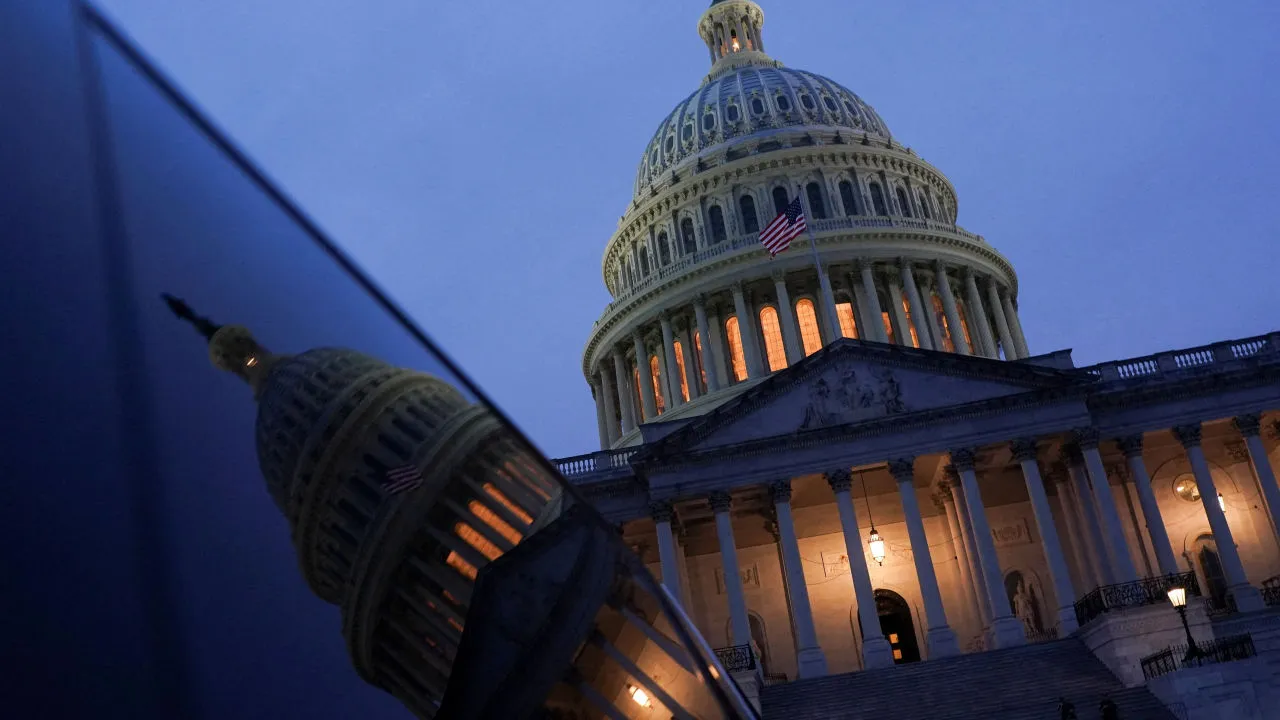

As the U.S. government edges closer to a shutdown, concerns are rising among investors and economists about potential market volatility. A government shutdown occurs when Congress fails to pass funding legislation, forcing non-essential federal operations to halt. This situation not only affects government employees but also ripples through the economy, influencing consumer confidence and spending.
The looming shutdown coincides with a period of uncertainty in the financial markets, particularly as key economic data remains absent. The lack of timely economic indicators, such as employment figures and GDP growth rates, could exacerbate investor anxiety. When critical data is missing, it leaves a void that can lead to erratic market behavior, as traders are left to speculate on the health of the economy without concrete evidence.
Moreover, a government shutdown can strain relationships between political parties, complicating efforts to reach a resolution. With the deadline approaching, lawmakers are under pressure to negotiate a budget that will prevent disruptions. However, partisan divides have historically made such agreements challenging.
In summary, as the U.S. government faces the prospect of a shutdown, the absence of essential economic data could heighten market volatility. Investors are advised to remain vigilant, as the effects of a shutdown could be felt across various sectors, influencing everything from stock prices to consumer behavior.
Related: More from Market Analysis | European Central Bank Interest Rates: What to Expect Next? | Tradeweb Markets Financial Performance: A Surprising Growth Story