

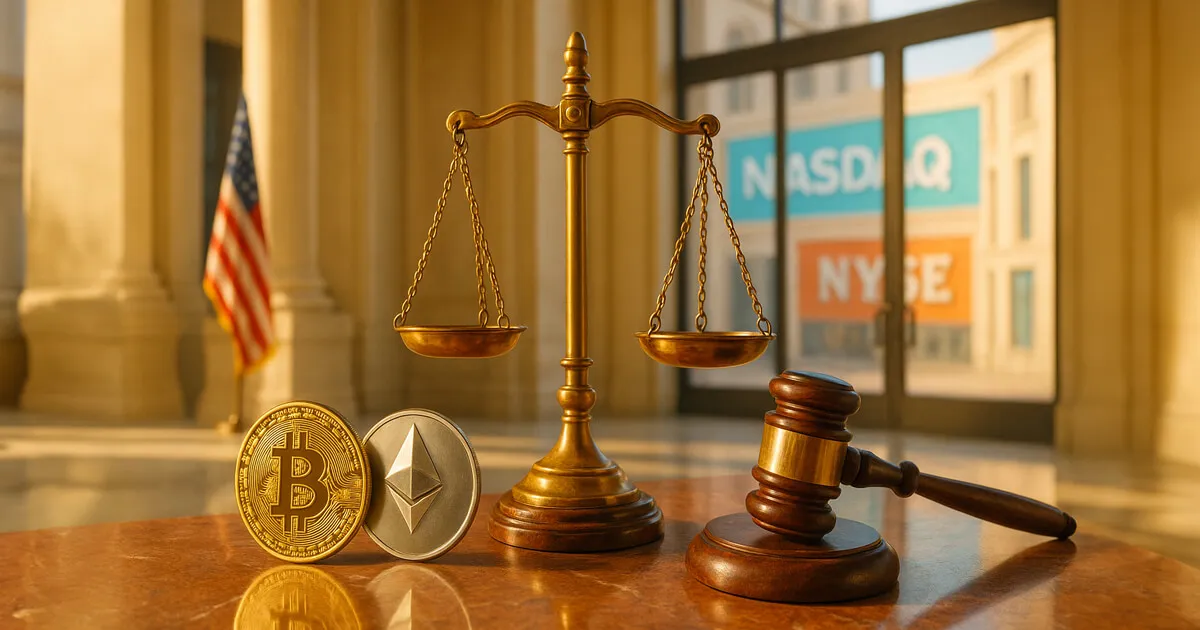

Title: SEC’s Recent Decisions Empower Crypto Lawyers with Fresh Legal Precedents
Key Takeaways
In an unprecedented move likely to reshape the legal landscape for cryptocurrency, the Securities and Exchange Commission (SEC) has recently enacted regulatory decisions that provide crypto lawyers new strategies to employ in court. This development not only underscores the SEC’s evolving approach to digital assets but also potentially democratizes the playing field between regulators and crypto entities.
Background
The regulation of cryptocurrencies has been a thorny path, fraught with uncertainties and inconsistencies. As digital currencies like Bitcoin, Ethereum, and numerous other altcoins gained popularity, they also attracted the scrutiny of regulatory bodies, including the SEC. Historically, the SEC has pursued a cautious and, at times, assertive stance towards cryptocurrencies, often categorizing them as securities under the purview of federal securities laws. This categorization has necessitated stringent compliance from cryptocurrency projects, often leading to legal battles centered around the foundational definition of what constitutes a security.
The Change in SEC's Stance
The SEC’s recent decisions suggest a pivotal shift. While the specifics of these regulatory adjustments are tech-heavy and laden with legal jargon, their implications are straightforward: the SEC appears to be delineating more clearly which crypto assets are considered securities and which are not. This new clarity is a beacon for crypto lawyers who have long navigated murky legal waters.
One of the significant changes involves the criteria that classify a digital asset as a security. The SEC has introduced a more nuanced framework that evaluates the economic realities of how a digital asset is offered, sold, and used. Influenced by the “economic reality” test, this model leans heavily on the practical use and decentralized nature of the asset, rather than just the method of its initial distribution or promises made by developers during fundraising stages.
Implications for Legal Defense
For crypto lawyers, this shift opens new avenues for legal defense and compliance strategy. They can now more confidently argue the non-security status of certain crypto assets in court, backed by SEC’s own revised criteria. For example, if a digital token, post-launch, achieves sufficient decentralization in terms of its governance and operational functions, it could be exempt from being classified as a security, substantially altering its regulatory requirements.
This nuanced understanding aids lawyers in constructing a more robust and tailored defense for their clients, focusing on demonstrating the decentralization and functional utility of the asset rather than solely addressing the fundraising mechanisms associated with it.
Case Studies and Precedents
Recent court rulings that lean on the SEC’s new criteria have already begun to emerge, setting precedents that further empower crypto lawyers. These cases often involve debates around decentralization and the independence of the token from the efforts of a single entity or group of developers. By leveraging these rulings, lawyers can guide crypto organizations on how to structure their projects to avoid being classified as securities, starting from inception to operation.
Looking Forward
As the SEC continues to refine its approach, staying abreast of every nuance and implication will be crucial for crypto lawyers. Ongoing education about the changing regulations and proactive legal compliance remains key in leveraging the SEC’s redefined criteria to their clients’ advantage. Moreover, the global impact of these changes, considering the borderless nature of cryptocurrencies, will necessitate a keen eye on international law and regulatory responses from jurisdictions outside the U.S.
Conclusion
The SEC’s refreshed perspective on crypto regulations opens a new chapter not only for legal practitioners but for the entire crypto ecosystem. By setting new legal precedents and refining the criteria for what constitutes a security, the SEC is not only updating its governance models to keep pace with technological innovation but also providing crypto lawyers with potent tools to defend and advise in the increasingly complex world of digital assets. This evolution represents a significant step toward the maturation and mainstream acceptance of cryptocurrencies.
Related: More from Regulation & Policy | Trump backs Clarity Act, criticizes banks for undercutting GENIUS in Crypto Regulation | Paul Atkins: Trumps Crypto Legacy in Crypto Regulation