
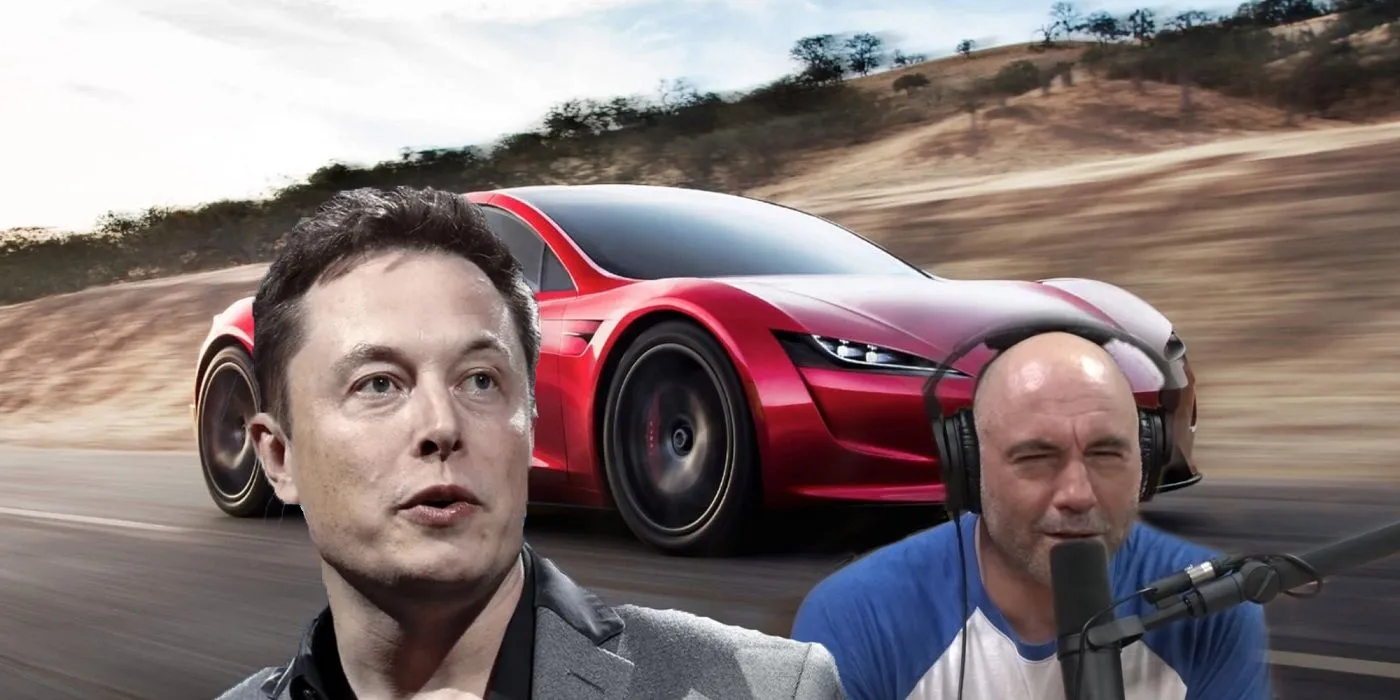

In a bold and futuristic announcement, Elon Musk has declared that the next iteration of the Tesla Roadster will have the capability to fly. This revelation came during a conversation with popular podcast host Joe Rogan, who is known for exploring diverse topics with his guests. During their conversation, Musk not only discussed the advancements in automotive technology but also delved into the broader implications of artificial intelligence (AI) and its impact on society.
Key Takeaways
The Flying Tesla Roadster
The concept of a flying car has always captured the imagination of tech enthusiasts and science fiction fans alike. Elon Musk, the CEO of Tesla and SpaceX, has now turned this fantasy a step closer to reality. According to Musk, the upcoming Tesla Roadster, set to be released in the near future, will include a feature that allows it to “hover”. This capability will be made possible through the use of SpaceX rocket technology, specifically thrusters that will enable the car to lift off the ground.
Musk described the feature as a “special option package” for the Roadster. The car will have the ability to hover several feet above the ground, moving from a conventional driving model to one that can bypass traffic and other terrestrial obstacles. While the exact mechanics and safety features of this flying capability are still under wraps, Musk’s announcement has certainly stirred excitement and curiosity among Tesla enthusiasts and tech analysts.
AI and Its Societal Impact
The conversation then shifted towards another disruptive technology—artificial intelligence. Musk, who has previously expressed his concerns about unregulated AI development, reiterated his call for careful oversight and ethical considerations in AI deployment. He emphasized that AI could soon impact every sector, from transportation to healthcare, and even governance.
Musk argued that AI’s potential extends beyond routine automation and could reach a point where it challenges human cognition in complex decision-making scenarios. This, he believes, is both an opportunity and a significant risk, highlighting the need for frameworks that ensure AI is used responsibly and for the benefit of society.
Potential Challenges and Controversies
While Musk’s visions for Tesla and AI are compelling, they are not without their controversies and challenges. The idea of a flying car, for instance, brings up numerous safety, regulatory, and infrastructural concerns. Regulators will need to address airspace management, pilot qualifications, and urban planning to accommodate flying vehicles. Similarly, Musk’s stark warnings about AI raise questions about privacy, employment, and inequality, as the technology could fundamentally reshape social structures.
The Broader Implications
The potential of flying cars and advanced AI holds significant implications for society. In transportation, flying cars like the Tesla Roadster could revolutionize cityscapes and traffic management, reducing road congestion and potentially lowering carbon emissions if powered by renewable energy. For AI, the stakes are even higher, as it touches upon the very fabric of human existence and ethics.
Elon Musk’s conversation with Joe Rogan serves as a poignant reminder of the rapid pace of technological advancement and its far-reaching implications. As we stand on the cusp of potentially transformative changes, the dialogue between innovation and regulation becomes increasingly important. How society navigates these changes will likely define the trajectory of human development in the 21st century.
In conclusion, while the flying Tesla Roadster and the integration of AI into various sectors may seem like science fiction, they are a testament to the speed at which technological innovation can happen. Ensuring these advancements benefit humanity will require careful thought, robust debate, and proactive governance.
Related: More from Regulation & Policy | Trump backs Clarity Act, criticizes banks for undercutting GENIUS in Crypto Regulation | Paul Atkins: Trumps Crypto Legacy in Crypto Regulation