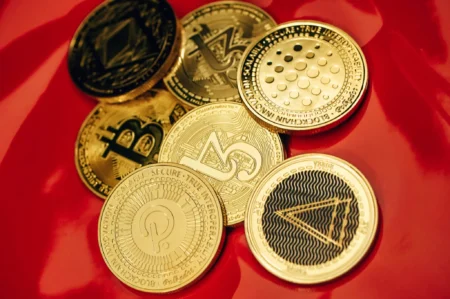



Solana, Litecoin, and Hedera ETFs to Begin Trading This Week – Spotlight on the Cryptocurrency Market
This week marks a significant development in the cryptocurrency investment landscape as Exchange Traded Funds (ETFs) based on Solana, Litecoin, and Hedera are set to begin trading. The launch of these ETFs is not just a notable expansion in the crypto financial products available but also a reflection of the growing interest and maturity in digital assets.
An Introduction to the New ETFs
Exchange Traded Funds (ETFs) are investment funds traded on stock exchanges, much like stocks. They hold assets such as stocks, commodities, or bonds and generally operate with an arbitrage mechanism designed to keep the trading close to its net asset value, though deviations can occasionally occur.
The introduction of ETFs for Solana (SOL), Litecoin (LTC), and Hedera (HBAR) provides traditional investors a method to gain exposure to these cryptocurrencies without the complexities of direct ownership, such as wallet storage and security concerns. These ETFs track the performance of their respective digital coins, offering a simpler way for investors to speculate on price movements.
Why Solana, Litecoin, and Hedera?
Solana is known for its exceptionally high throughput capabilities, handling up to 65,000 transactions per second, thanks to its unique Proof of History (PoH) and Proof of Stake (PoS) mechanisms. This makes it a popular choice for developers looking to build scalable applications, consequently attracting investment interest.
Litecoin, often referred to as the silver to Bitcoin’s gold, has established itself as a “testbed” for Bitcoin, implementing features such as Segregated Witness and Lightning Network ahead of Bitcoin. It’s valued for its faster transaction times and loyal community following.
Hedera Hashgraph distinguishes itself with its “hashgraph” technology, which allows it to reach consensus in a different manner from typical blockchain systems. This novel approach offers advantages in terms of speed and scalability, intriguing investors who are looking for technologies with potential beyond conventional blockchain architecture.
Market Implications
The launch of these new ETFs is expected to draw substantial attention from both retail and institutional investors. By reducing the barriers to entry, ETFs can significantly lower risks associated with direct cryptocurrency purchases, such as security of cryptographic keys, exchange hacks, and wallet vulnerabilities.
Moreover, this development is poised to increase the liquidity of Solana, Litecoin, and Hedera. More liquid assets often lead to less price manipulation and more stability. For the broader cryptocurrency market, the introduction of these ETFs might also lend increased legitimacy and encourage further adoption of cryptocurrencies and blockchain technologies.
Regulatory Aspects
The approval and launch of these ETFs represent a crucial endorsement from regulatory bodies, indicating a better regulatory environment for cryptocurrency. This shift can lead to more confidence from both cryptocurrency enthusiasts and traditional investors who were previously cautious due to the uncertain regulatory framework.
Conclusion
The initiation of Solana, Litecoin, and Hedera ETFs marks a pivotal moment for the crypto industry, signaling a maturation that could bridge numerous institutional investors to these innovative digital assets. As the market continues to evolve, the impact of such financial products will undoubtedly play a crucial role in shaping the trajectory of these cryptocurrencies. Investors are recommended to keep a keen eye on the performance and potential shifts in market dynamics these ETFs could introduce.
Related: More from Altcoin News | Byreal Launches AI Copy Farming Skillset for Solana DEX Agents in Altcoin | Dogecoin Bounces Back After Iran War Hit in Altcoin