



Title: Navigating Volatility: AI, Crypto Markets, and the Impact of Trump Tariffs
Key Takeaways
In recent years, the advent of digital assets and the increasing application of artificial intelligence (AI) in trading have reshaped financial markets. The cryptocurrencies, in particular, have gained significant attention not only from individual investors and enthusiasts but also from institutional entities. As these digital assets navigate through the complexities of global economic policies, they often display high volatility influenced by various geopolitical events. One such influential factor during the presidency of Donald Trump was the imposition of tariffs, which had a noticeable impact on both AI-driven trading activities and cryptocurrency markets.
Understanding Trump Tariffs
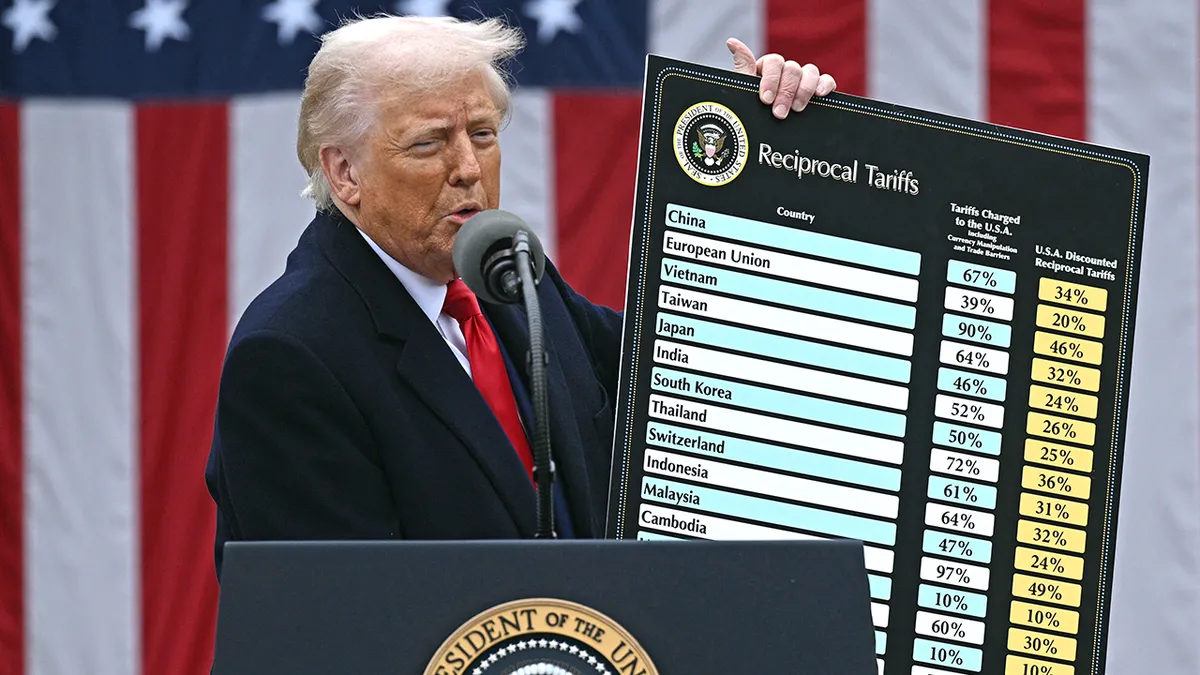
In 2018, the Trump administration imposed a series of tariffs on various goods imported from several key trading partners, including China. These tariffs, intended to encourage American manufacturing and rectify trade imbalances, led to a series of retaliatory measures from affected countries. This trade war not only affected traditional financial markets but also had ripple effects on the relatively new and burgeoning crypto markets.
AI in Trading and Crypto Markets
AI has been increasingly integrated into trading strategies across various financial markets. In crypto trading, AI algorithms can analyze vast amounts of data to predict market movements and optimize trading strategies. These tools range from simple predictive analytics models to sophisticated machine learning techniques that adjust their predictions as they ingest new data.
When Trump announced tariffs, the resulting uncertainty and market volatility led to erratic fluctuations in the stock markets. AI systems, designed to react to market sentiments and news, interpreted these tariff announcements and consequential political developments, sometimes exacerbating the market’s volatility.
The Pump and Dump Phenomenon
In the world of cryptocurrencies, ‘pump and dump’ schemes are scenarios where investors collectively drive the price of a crypto asset up (the pump) and then sell off their holdings at the peak price (the dump). These schemes, though manipulative and often illegal, can be fueled by significant geopolitical events, such as the imposition of tariffs.
With AI’s integration into trading, these phenomena have become more sophisticated. Automated trading bots can rapidly respond to perceived market shifts due to news about tariffs, causing sudden spikes or drops in cryptocurrency values. Savvy traders often use these turbulent periods to manipulate market sentiments further, leading to classic pump and dump scenarios.
Crypto Market Response to Tariffs
Cryptocurrencies are often viewed as alternative investments that are somewhat detached from traditional economic factors. However, they are not entirely immune to geopolitical events. News of Trump’s tariffs led to increased uncertainty in financial markets, and many investors flocked to cryptocurrencies as alternative assets, viewing them as safe havens amid geopolitical turmoil. This increased demand led to a temporary surge in crypto prices, illustrating a ‘pump’ in response to international policy announcements.
Conversely, once the immediate uncertainties cleared or when retaliatory tariffs were announced, these markets quickly corrected themselves in a ‘dump’ phase. The rapid shifts in crypto valuation highlight how sensitive the cryptocurrency market is to global economic events, despite its decentralized nature.
Conclusion
The interplay between AI, cryptocurrencies, and geopolitical events like Trump tariffs provides a compelling view of modern financial markets. AI’s ability to parse through vast amounts of data and execute rapid trades plays a significant role in the high volatility seen in crypto markets, which can be further accentuated by significant political events. While these technologies offer revolutionary potentials, they also present new challenges and risks that both regulators and investors need to navigate carefully.
As financial technology continues to evolve, understanding these dynamics will be critical for anyone involved in the investment and regulation of digital assets. The era of AI-driven financial decisions and cryptocurrency provides both an exciting opportunity and a cautionary tale of technology’s power to disrupt traditional economic paradigms.
Context
Current positioning around Market Analysis remains sensitive to primary-source updates, policy interpretation, and execution risk across major venues.
What To Watch
Key confirmation signals include sustained spot demand, funding stability, and whether price can hold reclaimed levels after headline-driven volatility.
If momentum weakens, traders will likely prioritize downside liquidity zones and risk-control positioning before adding new directional exposure.
Related: More from Market Analysis | Tradewybe Pledges $31M to Crossover Markets Crypto Platform in Crypto Market | Ray Dalio: Gold Alone Amidst Iran Crisis in Crypto Market