

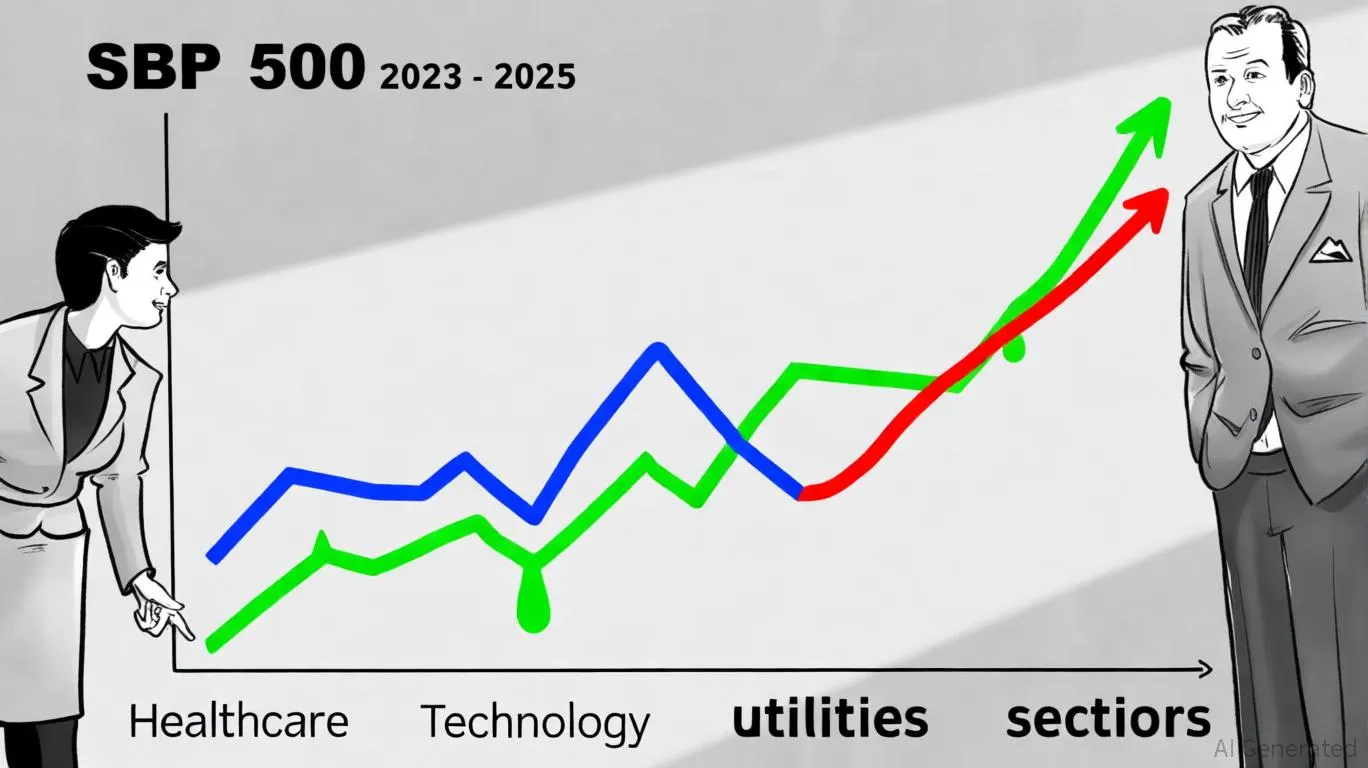

In recent weeks, financial markets have experienced significant volatility, driven by a combination of macroeconomic factors and liquidity challenges. Investors are closely monitoring the upcoming Non-Farm Payrolls (NFP) data, which could serve as a crucial indicator for short-term market movements.
Macroeconomic conditions, including inflation rates and interest rate adjustments, have created an environment of uncertainty. Central banks around the world are grappling with the delicate balance of controlling inflation while fostering economic growth. As they adjust monetary policies, market participants are left to navigate the implications of these changes on asset prices and investment strategies.
Liquidity, or the ease with which assets can be bought or sold without affecting their price, has also come under pressure. Recent geopolitical tensions and supply chain disruptions have further complicated the landscape, leading to fluctuations in market confidence. Investors are now more cautious, often leading to increased volatility as they react to news and data releases.
The upcoming Non-Farm Payrolls report, scheduled for release soon, is anticipated to provide insights into the health of the labor market. A strong report could bolster confidence and stabilize markets, while a disappointing outcome may exacerbate existing fears. As traders and analysts prepare for this critical data point, the interplay between macroeconomic trends and liquidity will remain at the forefront of market discussions.
In summary, the current market volatility is a reflection of the dual pressures from macroeconomic factors and liquidity constraints. The Non-Farm Payrolls data will likely play a pivotal role in shaping market sentiment in the near term.
Related: More from Market Analysis | European Central Bank Interest Rates: What to Expect Next? | Tradeweb Markets Financial Performance: A Surprising Growth Story