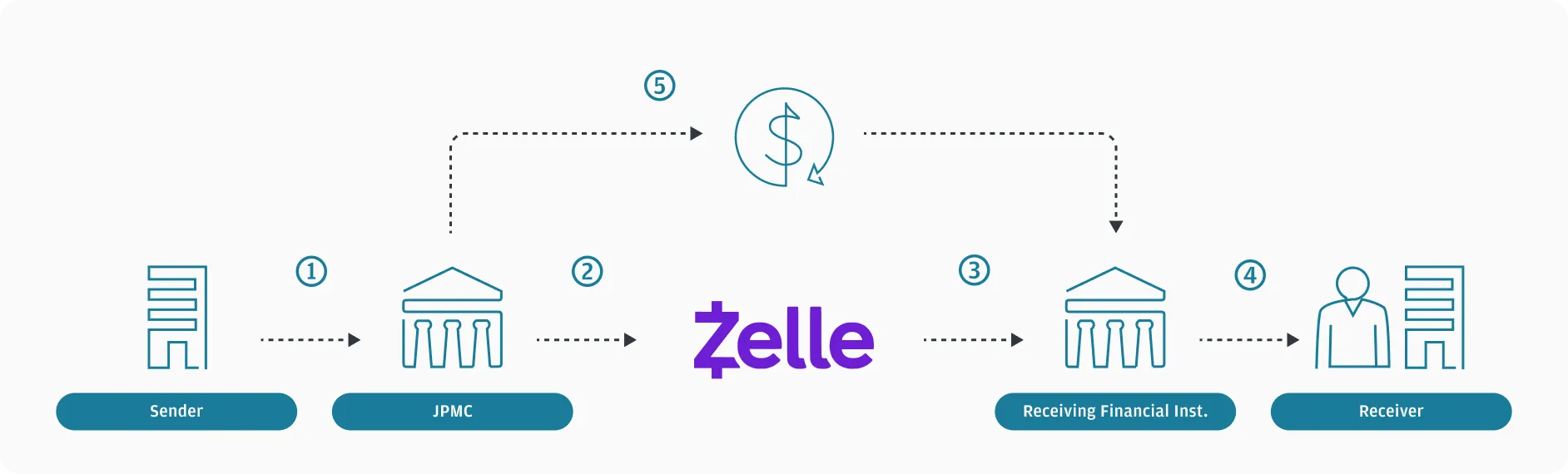

In an exciting development for both the financial and cryptocurrency sectors, Zelle, a widely-used payments processor, has announced plans to incorporate stablecoins for facilitating international transactions. This strategic move aims to harness the benefits of blockchain technology, improving the speed, cost, and accessibility of cross-border payments.
Key Takeaways
Background on Zelle and Its Growing Influence
Since its inception, Zelle has grown to become a key player in the digital payments space, primarily known for its real-time, person-to-person payment solutions. It is operated by Early Warning Services, LLC, a private financial services company owned by a consortium of major US banks including Bank of America, BB&T, Capital One, JPMorgan Chase, PNC Bank, U.S. Bank, and Wells Fargo. Historically, Zelle has catered to a vast user base in the U.S., facilitating instant domestic transfers without the typical transaction fees associated with traditional bank transfers.
The Shift Towards Stablecoins
In a shift towards more innovative and global solutions, Zelle’s introduction of stablecoins marks a pioneering integration of traditional financial practices with modern cryptocurrency technology. Stablecoins are a type of cryptocurrency designed to maintain a stable value by pegging to a reserve asset, typically fiat currencies like the US Dollar or commodities like gold.
For Zelle, the move to adopt stablecoin technology promises several advantages:
- Reduced Costs: By minimizing the number of intermediaries required to process payments, stablecoins can significantly reduce transaction costs, particularly in comparison to conventional currency conversions and wire transfer fees.
- Increased Speed: Transactions executed using blockchain technology can be completed in a matter of seconds or minutes, far outpacing the processing times for traditional international wire transfers.
- Enhanced Security: Leveraging blockchain’s decentralized nature, stablecoins offer an enhanced security framework, reducing the risk of fraud and unauthorized transactions.
The Implementation Strategy
Decrypt understands that Zelle plans to initially pilot its stablecoin-based international transactions with select partner banks and fintech firms. This will allow for a controlled exploration of the system’s efficacy and security before a broader rollout. Zelle will also ensure compliance with international regulatory standards, addressing potential legal and financial issues related to the use of digital currencies.
Potential Implications and Challenges
The integration of stablecoins by Zelle could potentially reshape the landscape of international money transfers, setting a precedent for other financial institutions to follow suit. It also aligns with a growing trend where traditional financial entities increasingly adopt cryptocurrency technologies.
However, the move isn’t without its challenges. Regulatory hurdles are perhaps the most significant barrier, as international cryptocurrency regulations continue to evolve unpredictably. Additionally, both banks and consumers may need some time to adapt to and trust this new form of transaction.
Industry and Consumer Reaction
The response from the financial industry has been cautiously optimistic. Many experts laud the potential of blockchain to transform financial services, but also recognize the complexities involved in integrating such technologies within existing regulatory and operational frameworks.
From a consumer perspective, the promise of cheaper, faster, and more secure international transactions is appealing, though it will require robust education efforts from Zelle and its partners to build trust and understanding of the new system.
Conclusion
Zelle’s foray into using stablecoins for international transactions is a bold testament to the evolving financial landscape that increasingly seeks to meld technological advances with consumer needs. While challenges remain, this initiative could pave the way for more widespread adoption of blockchain and stablecoin technology in traditional banking, heralding a new era of efficient, inclusive, and innovative financial services.
Related: More from DeFi & Stablecoins | Ripple Firm Handles Over $100M Stablecoin Volumes | JP Morgans Dimon: Stablecoin Issuers Paying Interest Should Be Regulated as Banks