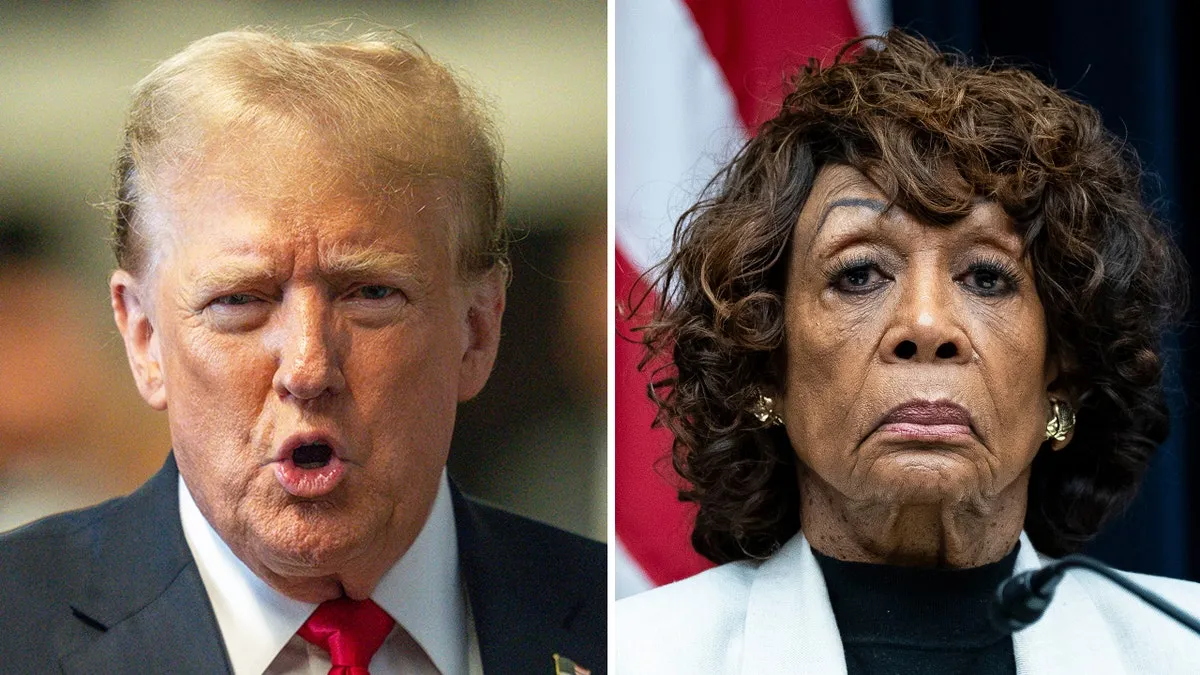

Representative Maxine Waters Criticizes Trump's Pardon of Binance Founder
In a surprising move that has drawn criticism from various quarters, former President Donald Trump issued a pardon for Changpeng Zhao, the founder of Binance, one of the world’s leading cryptocurrency exchanges. Among the most vocal critics of this decision is Rep. Maxine Waters, the Chairwoman of the House Financial Services Committee, who has expressed significant concerns over the implications of this pardon on the regulatory and legal landscape of the cryptocurrency industry.
Background of the Pardon
Changpeng Zhao, commonly known as “CZ”, has been a prominent figure in the cryptocurrency world, with his exchange, Binance, playing a pivotal role in the market. However, the platform has faced various allegations and legal scrutiny over the years, primarily concerning compliance with international financial laws and regulations. The details surrounding the reasons for the pardon have not been fully disclosed, but it is known that CZ was under investigation for potential violations of anti-money laundering regulations.
Waters' Response
Rep. Maxine Waters has long been an advocate for stringent financial regulations and has been closely monitoring the developments in the cryptocurrency sector. Responding to the announcement of the pardon, she criticized it as “an affront to justice” and undermining the efforts to regulate the cryptocurrency market. Waters expressed concerns that pardoning a figure like CZ could set a dangerous precedent, potentially encouraging lax compliance standards among other operators in the industry.
The Debate over Cryptocurrency Regulation
This incident has reignited the debate over the regulation of cryptocurrencies. Proponents of strict regulation argue that due to the decentralized and often opaque nature of digital currencies, robust legal frameworks are essential to prevent illegal activities such as money laundering and fraud. On the other hand, cryptocurrency advocates often argue that overly stringent regulations can stifle innovation and the growth of the industry.
Rep. Waters has been at the forefront of calls for more substantial oversight and has pushed for legislation that would bring greater transparency and accountability to the digital currency exchanges. The pardon of CZ by Trump, according to Waters, might undermine these efforts, sending a mixed message to international regulators and market participants about the United States’ commitment to combating financial crimes in the crypto space.
Political and Public Reactions
The pardon has not only drawn criticism from regulatory advocates like Waters but also raised eyebrows across the political spectrum. Some Republican supporters of Trump have also voiced their unease, suggesting the decision could harm the former President’s image as someone tough on corporate misdemeanors. Meanwhile, legal experts and political analysts are pondering the possible motivations behind Trump’s decision, suggesting that it could be a strategic move to garner support from the burgeoning tech and cryptocurrency community.
Conclusion
As the fallout from Trump’s pardon of Binance founder Changpeng Zhao continues, it highlights the ongoing complexities and challenges in regulating the fast-evolving cryptocurrency markets. For policymakers like Rep. Maxine Waters, the battle is far from over. It serves as a critical juncture to reinforce the call for coherent and effective framework that can safeguard the financial system while supporting technological innovations. How this situation unfolds could very well shape the regulatory landscape of the cryptocurrency industry for years to come.
Related: More from Exchange News | Kraken First Crypto Firm to Gain Fed Master Account Access in Crypto | Ether Exchanges Hit Six in Crypto Exchange