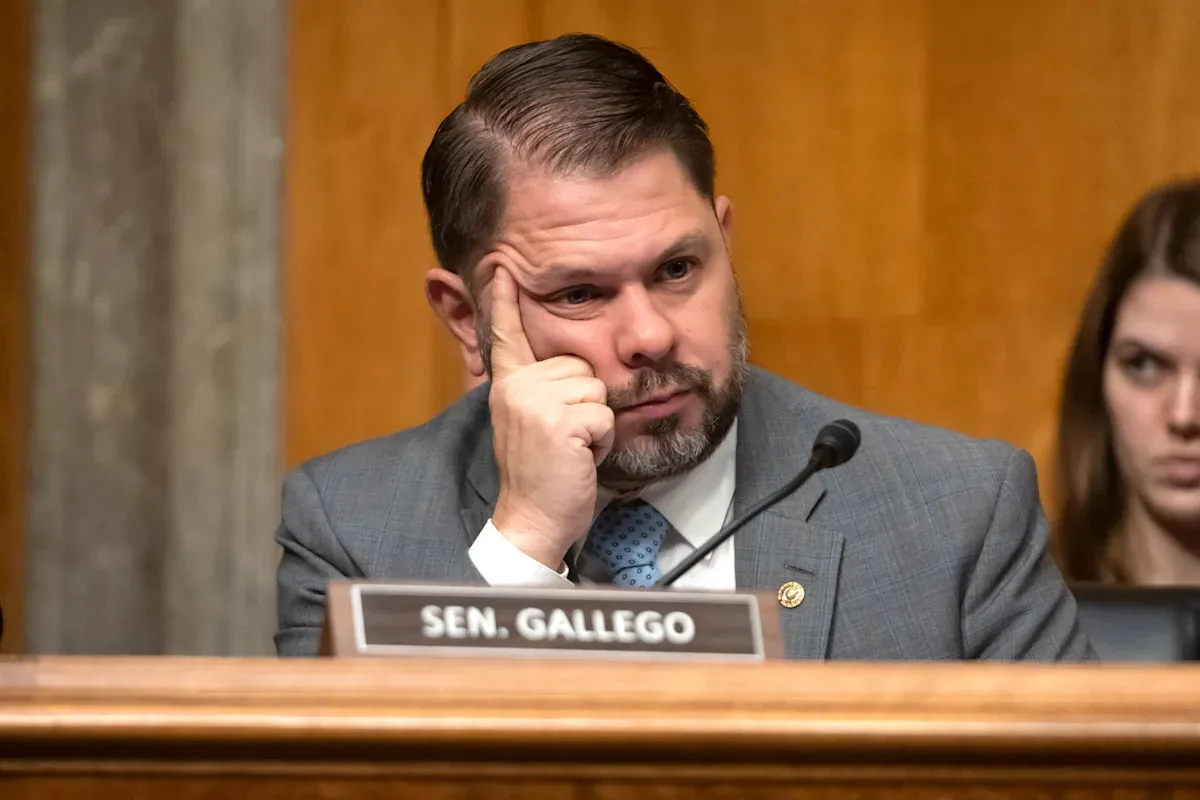

Why Senate Democrats Could Turn Their Backs on Crypto
In recent years, cryptocurrency has surged in popularity, sparking intense debate across the financial landscape. From Bitcoin to Ethereum, these digital currencies have not only disrupted the traditional financial ecosystem but have also caught the attention of policymakers. Senate Democrats, in particular, are at a crossroads, facing increasing pressure to take a definitive stance on the regulation and integration of cryptocurrencies. This discussion looks into why Senate Democrats could potentially turn their backs on crypto, focusing on regulatory concerns, environmental issues, and the need for financial stability.
Key Takeaways
Regulatory Concerns and Consumer Protection
One of the principal reasons Senate Democrats might distance themselves from cryptocurrency relates to the regulatory gray areas that coins currently occupy. Cryptocurrencies, with their decentralized nature, pose significant challenges to traditional financial regulations. They can be used to bypass state controls and are often associated with money laundering, tax evasion, and other illegal activities due to their anonymity.
Senate Democrats, historically advocates for stringent financial regulations to protect consumers, may view cryptocurrencies as antithetical to these principles. For instance, the lack of oversight and the difficulty in tracing transactions can make it hard to ensure consumer protection. Cryptocurrencies may also undermine policies designed to combat financial crimes.
Impact on Environmental Goals
Environmental concerns are another significant factor why Senate Democrats might turn away from cryptocurrencies. The mining of cryptocurrencies, especially Bitcoin, requires a substantial amount of energy, often sourced from fossil fuels. This process generates a large carbon footprint, contradicting efforts to combat climate change—a cornerstone issue for many Democrats.
With President Biden’s administration prioritizing a greener economy and the reduction of carbon emissions, supporting an industry that is heavily dependent on energy-intensive processes might seem counterintuitive. As a result, Senate Democrats committed to environmental sustainability might find it increasingly difficult to advocate for a technology that is currently at odds with these goals.
Pursuit of Financial Stability
The volatile nature of cryptocurrencies might also worry Senate Democrats focused on maintaining financial stability. The rapid rise and fall in crypto prices can create speculative bubbles, potentially leading to market crashes that could hurt ordinary investors. Many Democrats have been vocal about the dangers of unchecked financial instruments, which could be detrimental to economic stability.
Given that cryptocurrency markets operate 24/7 and are still relatively unregulated, the potential for disruption is significant. For policymakers, the priority might be to mitigate these risks through regulations or, in some cases, by limiting the integration of cryptocurrencies into the mainstream financial system.
The Push for Comprehensive Legislation
Finally, the broader conversation about technology and financial innovation might compel Democrats to demand more comprehensive regulation rather than a complete rejection of cryptocurrency. Prominent figures in the party, who understand the potential benefits of blockchain technology — such as enhanced transparency and the facilitation of secure transactions — might push for a balanced approach. This approach would aim to harness the benefits of crypto while clamping down on its risks through stringent, clear legislative frameworks.
Conclusion
Senate Democrats are at a pivotal point concerning their stance on cryptocurrencies. While they recognize the potential of blockchain and related technologies, the risks associated with unregulated digital currencies — from facilitating illegal activities to exacerbating climate change — might steer them towards advocating for stricter regulations or even turning their backs on crypto as it exists today. The need for consumer protection, commitment to environmental goals, and the pursuit of financial stability are likely to be key drivers in their cautious approach towards the burgeoning crypto industry.