


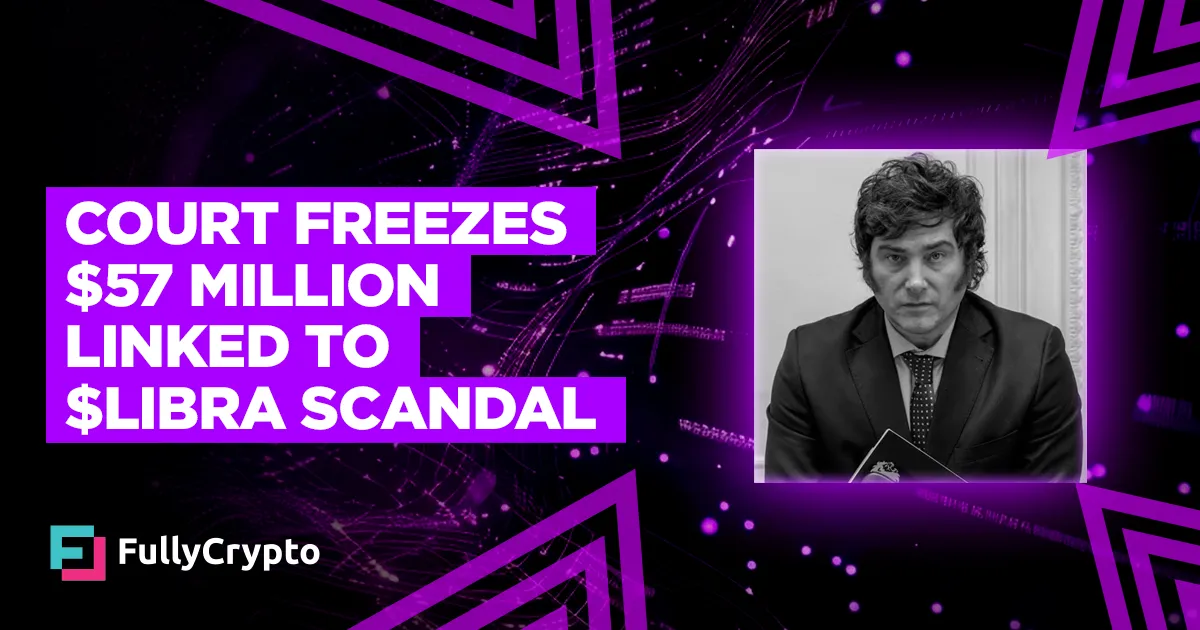

US Court Analysis Exposes Financial Winners in the LIBOR Scandal
In a landmark revelation shaking the foundations of international banking, the US court system has recently disclosed detailed financial beneficiaries in the infamous LIBOR scandal. The case, sprawling over the course of a decade, marks a profound moment of accountability in banking. This analysis comes as courts dig deeper into the multifaceted manipulation schemes that several global financial institutions engaged in.
Background of the LIBOR Scandal
For the uninitiated, LIBOR (London Interbank Offered Rate) was once a benchmark interest rate that global banks used to charge each other for short-term loans. This rate indirectly affected consumer loans, mortgages, and other financial contracts around the world worth millions, if not billions. However, it was revealed that multiple banks were reporting false rates to boost their profit margins. This manipulation impacted trillions of dollars worth of loans and financial products globally.
Judicial Exposures and Proceedings
The recent proceedings have laid bare the extents to which various traders, brokers, and high-ranking bank officials swayed rates to favor their trading positions. Several documents, emails, and communication records tabled in court helped peel the layers of this extensive financial subterfuge.
Who Benefited?
According to the detailed forensic financial analyses submitted in court, it was primarily senior bank executives and specific traders who reaped massive benefits from this deceptive manipulation. These individuals and groups exploited the skewed rates to draw unwarranted profits from rigged transactions, impacting everything from municipal investments to consumer mortgages.
-
The Bank Executives: High-level executives at some of the world’s largest banks were found to have indirectly encouraged or ignored the manipulations. Their substantial bonuses, often tied to short-term profit gains, were significantly boosted due to the manipulated rates.
-
Traders and Brokers: Specialist traders who directly manipulated the submission rates also vastly profited. They worked in groups, sharing strategies to influence the LIBOR submissions favorably, thereby maximizing their trading success and, subsequently, their bonuses and compensation.
- Hedge Funds and Institutional Investors: Certain hedge funds and institutional investors who had prior knowledge or were surreptitiously informed about the manipulated rates also adjusted their investment strategies to benefit immensely from the predictable movements in interest rates.
Legal Ramifications
The unveiling of these beneficiaries has led to significant legal consequences, including hefty fines for the implicated banks and criminal charges against key individuals. The courts have handed down multi-million-dollar fines and several high-profile bankers and traders have faced trials and prison sentences.
Impact on Regulatory Practices
This scandal has profoundly impacted how financial oversight and regulatory practices are framed and enforced. Regulators worldwide have tightened scrutiny and oversight over financial institutions, introducing stringent reporting requirements and harsher penalties for rate manipulation.
Conclusion
The disclosure through US courts may mark a turning point in public and regulatory scrutiny of financial malpractices. As the affected investors and consumers see justice being served, it restores faith in financial systems but also underscores the need for vigilance, transparency, and robust regulatory frameworks in banking and finance.
The LIBOR scandal is a somber reminder of the potent mix of greed and manipulation that can pervade executive suites in high finance. Ensuring such a scenario is not repeated requires unrelenting diligence and stringent oversight by all stakeholders involved.