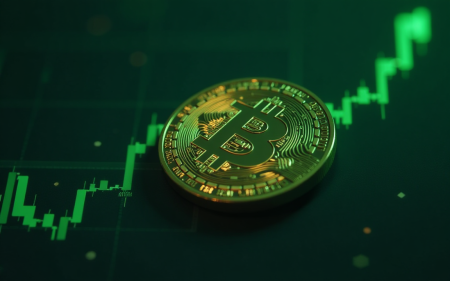




Oil Prices on the Decline, the Dollar Slows, and BoJ Hints at Rate Cuts: Making Bitcoin’s Rise to $150,000 More Plausible
In the last couple of months, a series of macroeconomic shifts, including falling oil prices, a cooling US dollar, and hinted policy changes by the Bank of Japan (BoJ), are creating a rippling effect on global financial markets. Among the noteworthy beneficiaries of these developments is Bitcoin, which experts now believe has a smoother path towards reaching the audacious price target of $150,000.
Key Takeaways
Weaker Oil Prices: A Relief for Inflation?
The recent downtrend in oil prices is pivotal in the macroeconomic landscape. As the cost of crude drops, inflationary pressures, which have plagued economies worldwide, could see a moderate easing. Typically, decreased inflation fosters a less aggressive stance on monetary policy from central banks. For cryptocurrencies such as Bitcoin, this is an encouraging sign. Lower inflation rates and easing monetary policies tend to increase investor appetite for riskier assets, as the opportunity cost of holding non-interest yielding assets diminishes.
Cooling US Dollar: A Catalyst for Cryptocurrencies
Parallel to the decline in oil prices is the softening of the US dollar, which had hit multiple-year highs against a basket of other major currencies earlier in the year. The dollar’s strength is inversely correlated with Bitcoin, which often rises when the dollar weakens. As global investors look for alternatives to hedge against a depreciating dollar, assets like Bitcoin stand to gain. The easing of the dollar is partly attributed to the US Federal Reserve signaling a potential slowdown in its rate-hiking trajectory, prompted by stabilizing inflation and economic growth concerns.
Bank of Japan’s Monetary Policy Shift
Across the Pacific, the Bank of Japan, which has maintained ultra-loose monetary policies far longer than its peers, hinted at possible tinkering with its interest rate settings. A rate cut, considering the global scenario of rising interest rates, is unusual and indicative of the unique economic challenges Japan faces, including deflationary pressures and a desire to weaken the Yen to aid exporters.
For Bitcoin and the broader crypto market, a rate cut from such a major economy could potentially lead to increased liquidity in the market. Additionally, with Japan being a significant player in the cryptocurrency space, any movement towards more accommodating financial conditions could spur Japanese investors and institutions to increase their exposure to cryptocurrencies.
Bitcoin’s Path to $150K: A Realistic Prospect?
With these factors combined, Bitcoin’s road to $150,000, although still speculative, looks less fraught with obstacles. The cryptocurrency’s appeal as a hedge against inflation and currency devaluation, as well as its burgeoning adoption by mainstream financial entities, contributes to its bullish outlook.
Moreover, the recent surge in institutional interest and broader acceptance of Bitcoin as a legitimate asset class improve its prospects. Prominent investment funds and large corporations are not only adding Bitcoin to their portfolios but also creating infrastructure to support further investments in cryptocurrencies.
Potential Risks and Uncertainties
However, despite the favorable macroeconomic winds, investors should remain cautious. Bitcoin and the general crypto market are notoriously volatile, influenced by a broad array of factors ranging from regulatory changes to technological developments and market sentiment shifts. Therefore, while the path to $150,000 might seem easier under current conditions, the journey is likely to be anything but smooth.
Conclusion
The interplay of decreasing oil prices, a cooling dollar, and potential monetary easing in Japan is weaving a favorable tapestry for Bitcoin’s ascent. As global financial landscapes evolve, Bitcoin continues to challenge traditional financial narratives, potentially climbing to new heights. Investors keen on riding this wave should stay informed and agile, ready to adjust to the fast-changing economic and financial currents.