
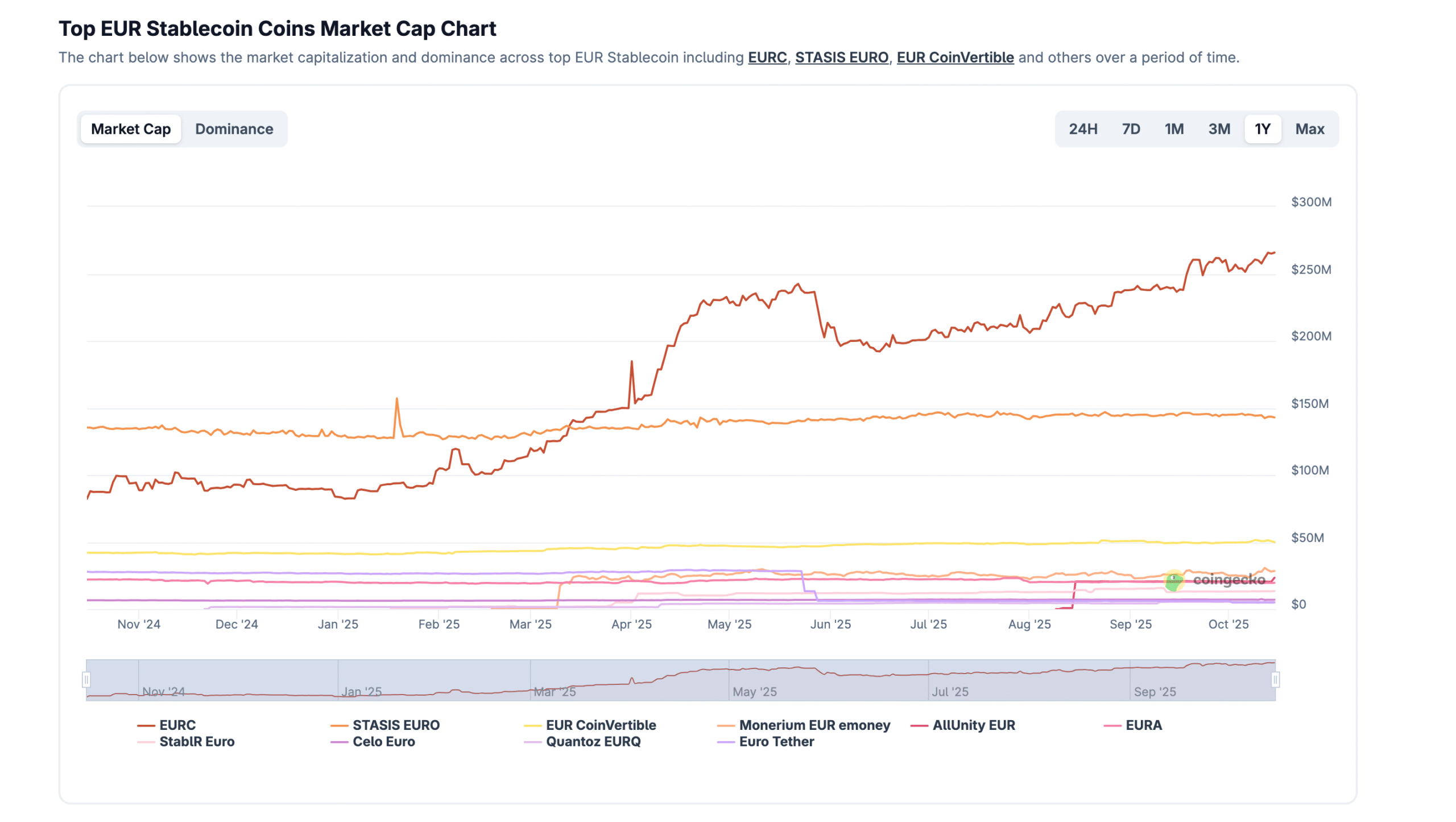

In a significant step towards bridging traditional finance and cryptocurrency, ODDO BHF, a Franco-German financial group, has announced the launch of its EUROD stablecoin. This innovative financial instrument is compliant with the EU’s Markets in Crypto-Assets (MiCA) regulations, marking a major advancement in the adoption of stablecoins within regulated financial environments.
### Introduction to EUROD Stablecoin
The EUROD stablecoin is pegged to the Euro at a 1:1 ratio, providing a stable, digital alternative to the traditional Euro. By utilizing blockchain technology, ODDO BHF aims to offer a modern payment solution that enhances transaction efficiency, decreases costs, and expands access to financial services across the Eurozone. This initiative not only reflects ODDO BHF’s commitment to financial innovation but also its compliance with stringent regulatory standards.
### Compliance with MiCA Regulations
The introduction of MiCA by the European Union marks a pioneering step towards creating a standardized regulatory framework for managing crypto-assets in Europe. MiCA aims to protect consumers, guarantee financial stability, and support the innovation and competitiveness of the EU financial sector. By designing EUROD to comply with MiCA, ODDO BHF is taking a proactive approach to ensure transparency, security, and legal clarity. This adherence underscores the potential for legitimate and stable digital currencies within regulated markets.
### Technical and Operational Aspects
EUROD operates on a blockchain platform that ensures both security and transparency. The transactions made using EUROD are recorded on a decentralized ledger, preventing fraud and enabling faster settlements compared to traditional banking systems. Moreover, ODDO BHF ensures that for every EUROD issued, an equivalent Euro is held in reserve, providing a fully backed stablecoin system that users can trust.
### Market Impact and Future Prospects
The introduction of the EUROD stablecoin is poised to have a significant impact on the European financial market by providing an efficient and stable medium for digital transactions. This is particularly relevant in an era where digital transactions are becoming increasingly prevalent. The compliance with MiCA regulations could serve as a benchmark for future crypto-financial products, promoting wider acceptance of cryptocurrencies in regulated financial markets.
Furthermore, EUROD could enhance the cross-border payment process within the EU, making transactions quicker and less costly. This innovation is especially crucial for businesses that require dependable and efficient cross-border payment solutions.
### Challenges and Considerations
Despite the promising prospects of EUROD, there are several challenges and considerations that need attention. Regulatory compliance, while beneficial, involves stringent conditions that could potentially slow down rapid deployment or adaptation in response to market demands. Additionally, the broader acceptance of EUROD across all EU member states necessitates extensive collaboration with local financial institutions and regulators.
### Conclusion
ODDO BHF’s launch of the EUROD stablecoin represents a forward-thinking approach to integrating cryptocurrency with traditional financial systems within a regulated framework. As EUROD aligns with the MiCA regulations, it sets a standard for how other financial institutions might approach the creation and management of digital assets. The advent of EUROD could potentially lead to more widespread adoption of stablecoins and foster greater confidence in digital currencies as legitimate and valuable financial tools. However, the journey will involve continuous navigation through regulatory landscapes and evolving market dynamics, which will undoubtedly shape the future trajectory of EUROD’s adoption and implementation.