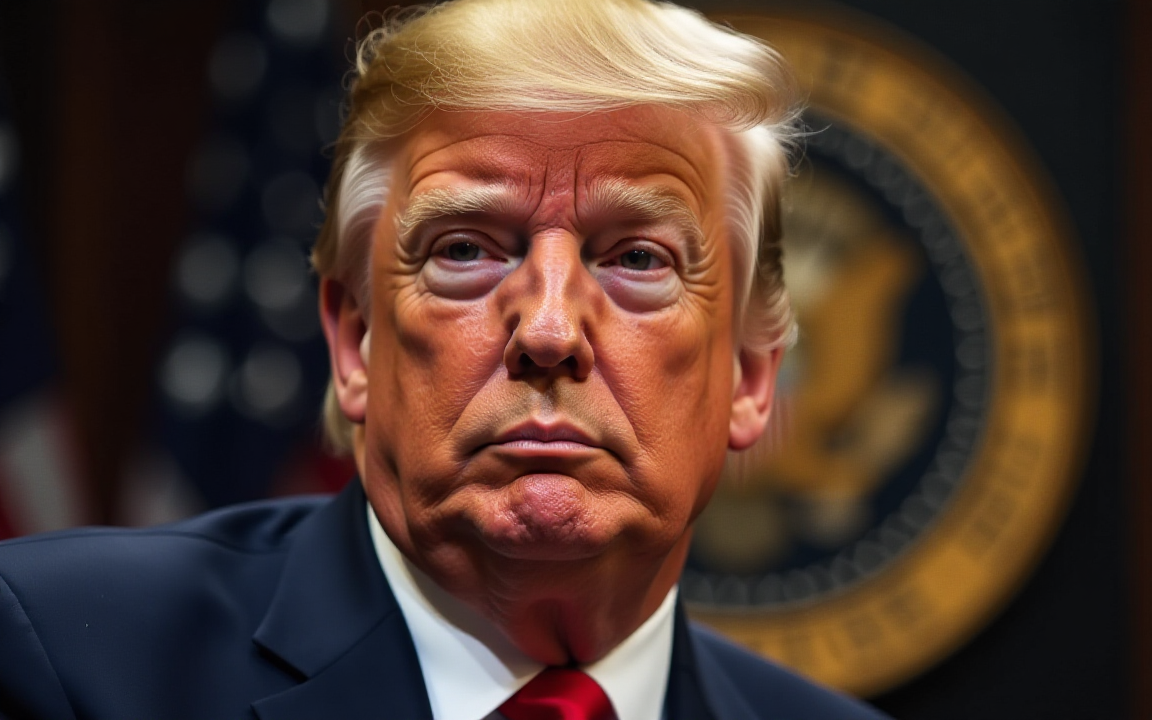

Crypto Markets Plunge as Trump Threatens to Ban Chinese Cooking Oil Imports
In a move that has sent ripples across global financial markets, former President Donald Trump has recently threatened to ban imports of Chinese cooking oil into the United States. This surprise declaration has not only impacted the food industry and international trade relations but has also had an unexpected consequence on the cryptocurrency markets. The values of major cryptocurrencies, including Bitcoin, Ethereum, and others, took a significant hit shortly after the news broke, highlighting the intricate interconnections between global trade policies and digital asset valuations.
Understanding the Connection
The connection between a potential ban on Chinese cooking oil and the crypto market plunge might initially seem tenuous. However, economists and market analysts provide several reasons why geopolitical tensions can affect digital currencies so abruptly. Firstly, cryptocurrencies are increasingly seen as global assets. They respond not just to sector-specific events but also to shifts in wider economic indicators and investor sentiment.
Secondly, China is a significant player in both the global cooking oil market and the cryptocurrency mining industry. Any action against Chinese imports by a major economy like the U.S. could hint at broader trade restrictions, potentially affecting the operations of Chinese businesses, including those involved in crypto mining. Remember, China was once home to a majority of cryptocurrency mining operations before the government clamped down on such activities.
Impact on Crypto Markets
Cryptocurrencies have often been considered a safe haven during economic uncertainties and have shown resilience during various geopolitical conflicts. However, in this instance, the threatened ban has introduced a fresh layer of instability that concerns import/export businesses and international supply chains, causing an overall risk-averse sentiment among investors.
As a result, many turned away from cryptocurrencies, which are still often viewed as risky investments, and moved towards more traditional and less volatile assets. This trend was evident in the rapid decrease in crypto prices following Trump’s announcement.
Broader Economic Implications
The threatened ban could lead to significant disruptions in the global supply of cooking oil, given that China is a leading exporter. This is likely to increase prices and cause supply chain inefficiencies worldwide. Retail and food service industries, heavily reliant on affordable cooking oils, might face increased operational costs, which could lead to increased prices for consumers.
The broader economic shift towards risk aversion could have several consequences. For example, international trade might see increased protectionism, impacting not just the U.S. and China but potentially other nations and industries caught in the crossfire.
Future Prospects
The future of both the crypto markets and U.S.-China trade relations seems uncertain. If Trump follows through with this ban, it could mark a significant shift in international trade policy, potentially leading to retaliations. For the crypto market, much will depend on whether further geopolitical tensions emerge and how investors’ risk appetites adjust in response.
Investors and policymakers will need to keep a close watch on further developments. The interplay between international policies and market dynamics remains complex, and understanding these relationships will be crucial for anyone engaged in trading, investing, or policy-making in these turbulent times.
Conclusion
While at first glance, the threatened ban on Chinese cooking oil imports by Trump might seem disconnected from the world of cryptocurrencies, the ensuing plunge in crypto markets is a stark reminder of how interconnected our modern economic and political landscapes have become. As digital assets continue to mature and entangle with traditional financial systems, it is likely that they will increasingly react to global economic shifts, making the analysis of such events crucial for understanding future market movements.