

Stripe May Soon Allow Subscription Payments Using Stablecoins: A Potential Game-Changer for Recurring Payment Models
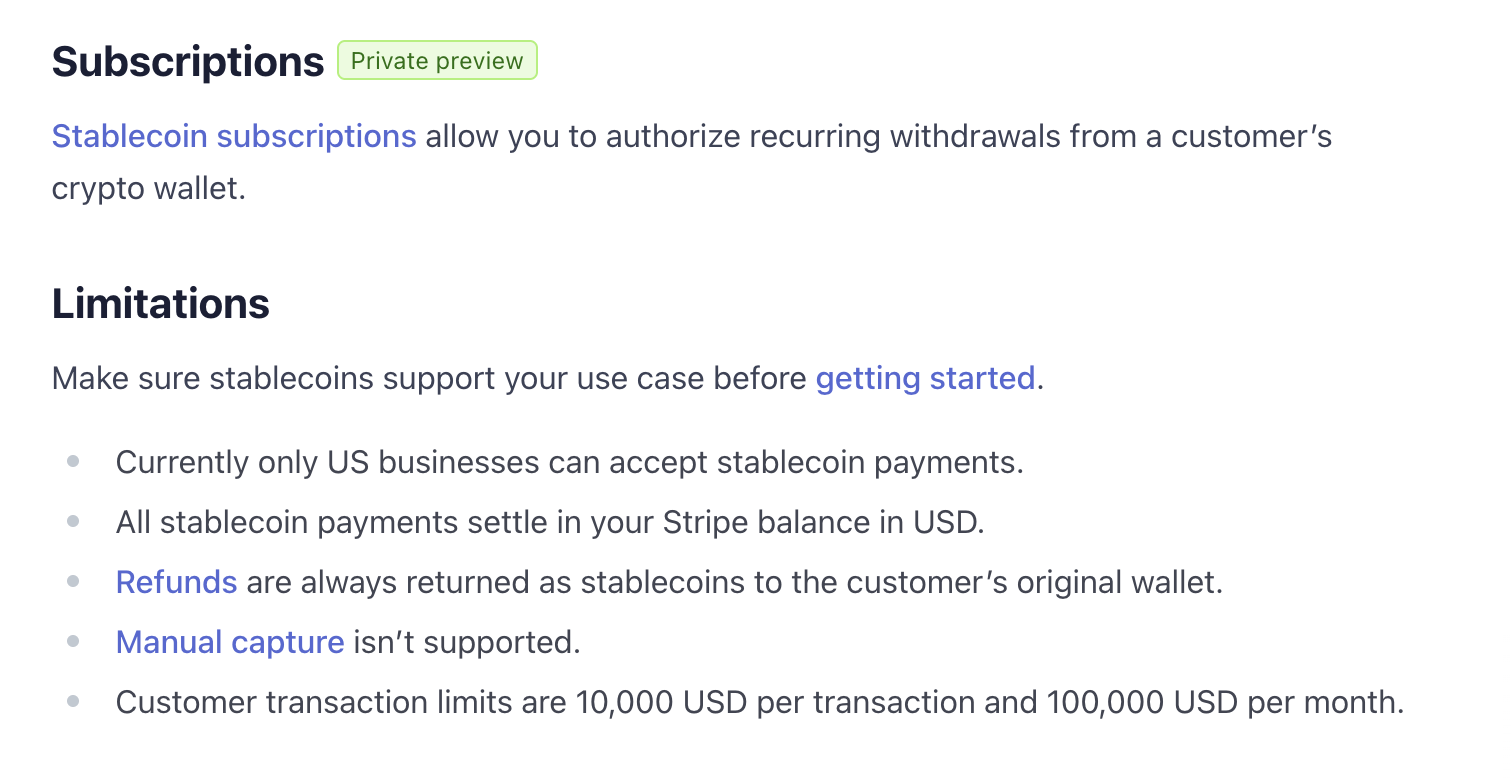
In a move that could significantly transform the landscape of online payments, Stripe, a leading online payment processing company, is reportedly considering integrating stablecoins as a payment method for subscriptions. This prospective development promises to enhance the flexibility and reach of subscription-based services, potentially impacting various industries from media streaming to software as a service (SaaS).
Key Takeaways
Understanding the Implications
1. Wider Market Reach: By adopting stablecoins, which are cryptocurrencies pegged to stable assets like the US dollar, Stripe can facilitate easier entry into global markets. Unlike traditional currencies, stablecoins are not bound by national borders or bank restrictions, making them an attractive option for businesses aiming to expand their subscriber base internationally.
2. Lower Transaction Fees: Cryptocurrency transactions typically incur lower fees compared to conventional bank transfers or credit card payments. For businesses relying on the subscription model, where margins can often be tight and predicated on volume, reduced transaction fees could mean significant savings and more competitive pricing.
3. Enhanced Transaction Speed: One of the most touted advantages of cryptocurrencies is speed. Transactions are generally processed more rapidly compared to traditional banking systems, where cross-border payments can take days. Faster transaction processing could improve cash flow, a critical aspect for businesses operating on a subscription model.
4. Increased Payment Security and Privacy: Cryptocurrencies offer a higher degree of anonymity and security. Given the blockchain technology underlying these currencies, transactions are immutable and secure. This could reduce instances of fraud and chargebacks, appealing to both businesses and consumers.
Challenges and Considerations
Despite the apparent benefits, integrating stablecoins into the recurring payment framework will not be without challenges. Regulatory uncertainty surrounding cryptocurrencies remains a substantial barrier. Stripe will need to navigate a complex landscape of international laws and regulations, which can vary significantly from one jurisdiction to another.
Furthermore, while stablecoins are less volatile than their cryptocurrency counterparts like Bitcoin or Ethereum, they are not entirely free from risk. Potential technical failures, governance issues, or problems with the underlying assets could undermine trust and reliability.
Another critical aspect Stripe will have to consider is user readiness and adoption. Despite growing awareness and usage, cryptocurrencies are not yet commonplace for everyday transactions, particularly in less tech-savvy demographics. Stripe will need to invest in consumer education and potentially tread slowly to gauge user responsiveness and adaptability.
Potential Market Effects
The implications of Stripe’s move toward stablecoin acceptance for subscription payments are far-reaching. Other major payment processors and financial institutions will closely monitor this initiative. A successful integration by Stripe could lead to widespread adoption across the industry, prompting more companies to consider similar options.
For subscription-based businesses, this could mean broader payment options and more streamlined operations, ultimately leading to better customer retention and satisfaction rates. On the consumers’ end, it could translate to more choices in how payments can be made, possibly influencing their decisions on which services to subscribe to based on payment conveniences.
Conclusion
While still at a speculative stage, the idea of Stripe allowing subscription payments via stablecoins heralds a potential shift in the online payments ecosystem. By merging the world of cryptocurrencies with recurring payment models, Stripe might not only foster greater efficiency and inclusivity but also catalyze a new era for financial transactions. As the digital economy continues to evolve, such innovations could serve as the backbone for more resilient, versatile, and user-centric payment solutions.