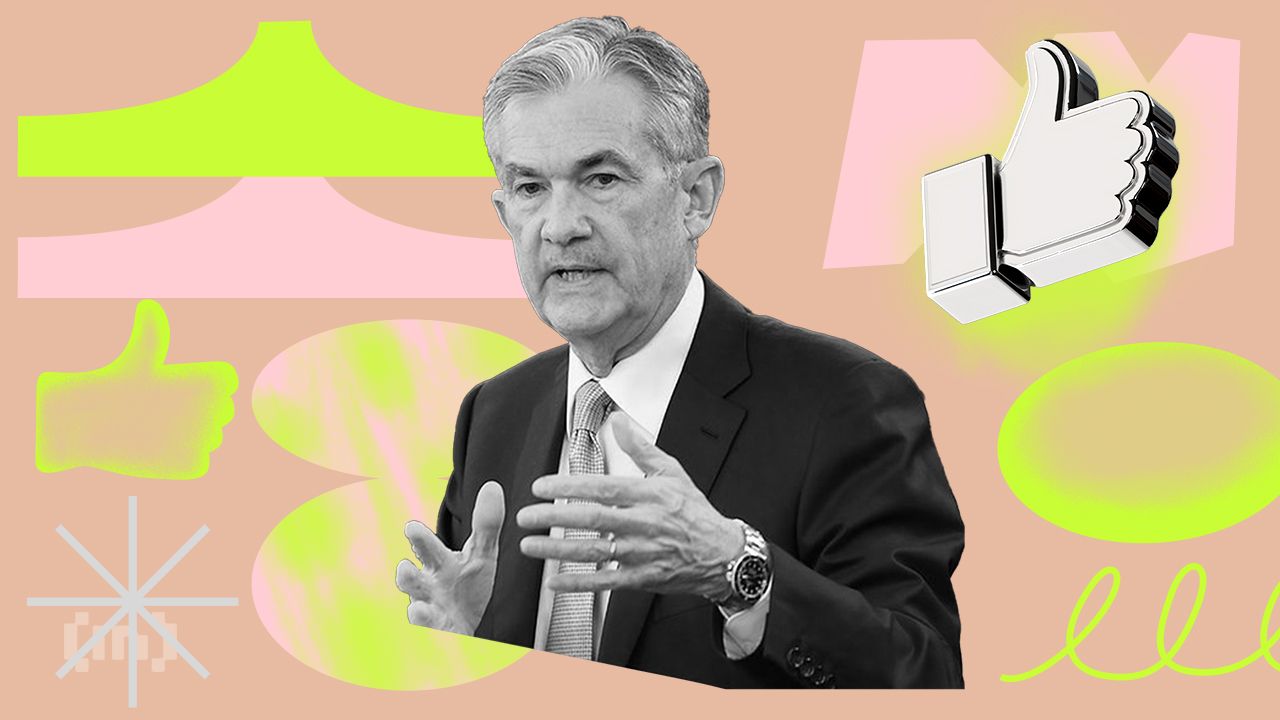

As financial markets remain on edge, all eyes are on Federal Reserve Chair Jerome Powell, with widespread speculation about whether his upcoming speech will confirm the market’s expectations for at least two additional rate cuts this year. This pivotal speech, set to be delivered at a major financial symposium, could be a defining moment for monetary policy amidst ongoing economic uncertainty.
The U.S. economy, while resilient in many sectors, has shown signs of strain under the current interest rate environment, coupled with global economic pressures and domestic political uncertainty. Market participants are keenly observing the Federal Reserve’s moves, as decisions on interest rates can significantly impact investment, borrowing costs, and overall economic growth.
### Economic Indicators and Fed’s Stance
Recent economic data have presented a mixed bag—robust job growth and consumer spending are juxtaposed against a contracted manufacturing sector and sluggish global demand. Inflation remains somewhat tepid, complicating the Fed’s policy decisions. Traditionally, the Fed aims to achieve maximum employment and stable prices, and the current economic indicators offer differing signals.
Previously, Powell has highlighted the Fed’s commitment to sustaining the economic expansion. This has led to anticipations of further rate cuts as a precautionary measure against potential economic downturns. The Fed has also been mindful of not just domestic indicators, but also global economic conditions, which currently pose uncertainty especially considering trade tensions and geopolitical risks.
### Market Expectations and Responses
The financial markets have priced in the probability of further rate cuts this year, evident from movements in Treasury yields and futures markets. Investors seem to be expecting a dovish stance from the Fed, leaning heavily on the central bank to ease policy in order to support economic growth. Any indication in Powell’s speech that aligns with these expectations would likely be met with positive reactions in the stock markets, whereas a deviation could result in increased volatility.
### Challenges Before the Federal Reserve
Deciding on further rate cuts is fraught with challenges. On one hand, lowering rates could fuel the stock market and support broader economic growth. On the other, it could potentially lead to asset bubbles and lessen the effectiveness of monetary policy tools available to counteract future recessions.
Moreover, there’s a debate around the independence of the Federal Reserve amidst political pressures. Ensuring that policy decisions are data-driven and free from political influence is crucial for maintaining market confidence and the credibility of the central bank.
### Potential Impacts of Interest Rate Decisions
If Powell signals readiness to cut rates further, this could have various outcomes. For consumers, this might mean lower borrowing costs for mortgages and other loans, encouraging spending and investments. For businesses, cheaper finance options could spur capital expenditures but could also lead to unsustainable debt levels if not carefully managed.
Conversely, retirees and savers could see diminished returns on fixed-income investments, which can affect consumption patterns, particularly amongst the elderly demographic.
### Conclusion
As Jerome Powell prepares to address an audience of global financial community leaders, the stakes are high. His words will not only influence immediate market reactions but could also set the tone for economic policy in the near future. Whether he confirms the anticipated rate cuts will depend on the Fed’s reading of economic conditions and their implications for its dual mandate of fostering maximum employment and price stability. Regardless of the decision, Powell’s upcoming speech is likely to be a bellwether event, shaping economic policy directions and market sentiments for months to come.