
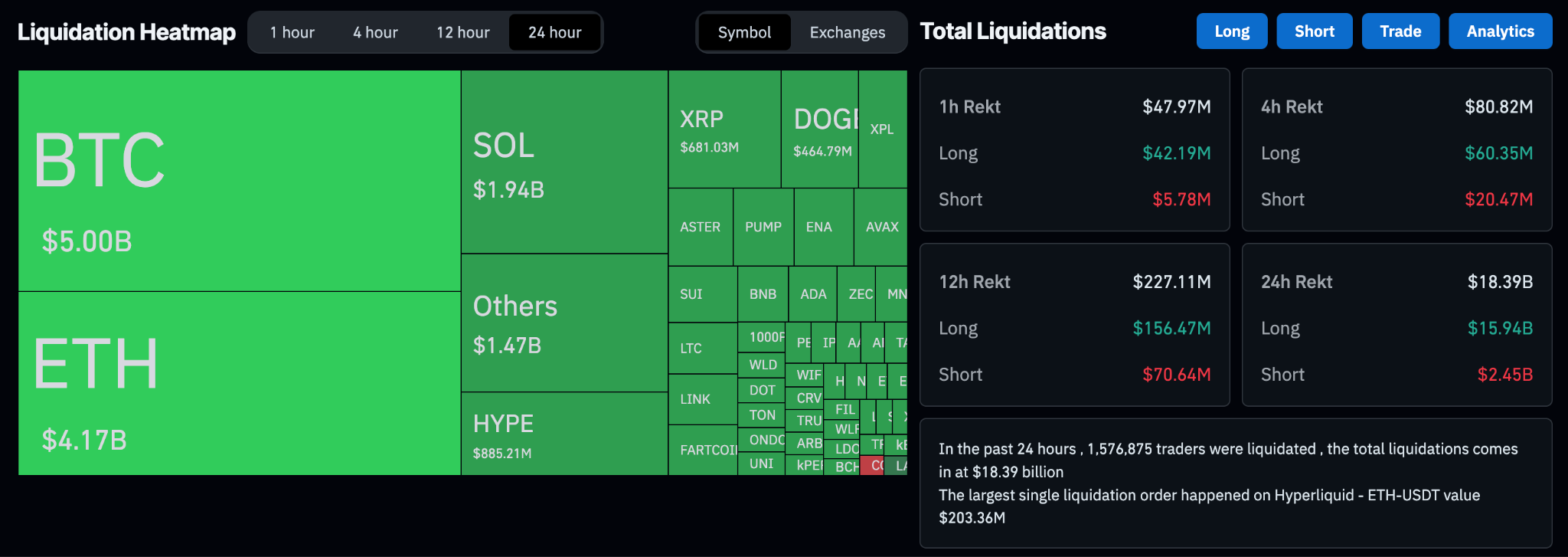

Understanding the Ongoing Crypto Market Decline: Causes and Timeline for Recovery
Introduction
The cryptocurrency market has long been characterized by its volatility, with extreme price fluctuations often leaving investors and enthusiasts alike in a state of uncertainty. As of late 2023, the market is facing yet another significant decline, raising questions about the underlying causes as well as the potential timeline for recovery. This article aims to provide an overview of the current situation, the factors contributing to the downturn, and insights into potential pathways for recovery.
Current State of the Crypto Market
As of October 2023, major cryptocurrencies, including Bitcoin, Ethereum, and many altcoins, have experienced a downward trend in value. Bitcoin, often viewed as a barometer for the entire cryptocurrency market, has seen its price dip significantly from its all-time highs in 2021 and early 2022. This decline has left many investors grappling with losses and contemplating their future in the digital asset space.
Causes of the Decline
1. Regulatory Scrutiny
One of the primary factors contributing to the recent decline in the crypto market is increased regulatory scrutiny. Governments and financial authorities worldwide are actively seeking to define frameworks for cryptocurrency trading, taxation, and safety measures. While regulation can facilitate the mainstream adoption of cryptocurrencies, the uncertainty it creates has led to decreased investor confidence. Many investors fear that heavy-handed regulations could stifle innovation and hinder the growth potential of the industry.
2. Economic Conditions
The broader economic landscape has also played a crucial role in the decline. Central banks worldwide have been adjusting monetary policies, implementing interest rate hikes in response to inflation concerns. These tightening measures have driven many investors away from riskier assets, including cryptocurrencies, leading to a sell-off. As liquidity in financial markets decreases, the appeal of volatile assets like cryptocurrencies diminishes.
3. Market Speculation and Sentiment
Cryptocurrency markets have always been driven by speculation, and this remains true in the current downturn. Emotional trading, coupled with social media influence, can significantly impact market sentiment. Reports of hacks, fraud, or scams can trigger panic selling, leading to further price declines. As fear permeates the market, investors are often quick to pull back, exacerbating the downturn.
4. Technological and Operational Challenges
While the promise of blockchain technology is vast, operational challenges remain a concern for many crypto projects. Issues such as scalability, security vulnerabilities, and high transaction costs can hinder user adoption and overall trust in the ecosystem. Additionally, projects that do not deliver on their promises can drag down the perception of the entire market.
Timeline for Recovery
Predicting a timeline for recovery in the cryptocurrency market is inherently challenging due to the myriad of factors at play. However, several indicators suggest potential points for recovery:
Short-term (3-6 months)
-
Regulatory Clarity: If regulators can provide a clear framework that fosters innovation without stifling growth, the market could stabilize. Market participants are eagerly awaiting clearer guidelines, especially in major markets like the United States and Europe.
- Market Sentiment Improvement: Positive news and developments within the cryptocurrency space could shift market sentiment. This may include significant partnerships, technological advancements, or endorsements from major financial institutions.
Medium-term (6-12 months)
-
Economic Stabilization: A stabilization or reversal of interest rates could improve investor sentiment across all asset classes, including cryptocurrencies. Should central banks indicate a more conducive economic environment, we could see a return of investors to riskier assets.
- Technological Advancements: Ongoing improvements in blockchain technology, including solutions for scalability and security, will be critical for long-term growth. Projects that successfully address these issues may see increased adoption and value.
Long-term (1-2 years)
-
Mainstream Adoption and Integration: As more companies accept cryptocurrencies either as a payment solution or as part of their operational infrastructure, the market is likely to mature. Increased integration with traditional finance will provide a more stable demand base for cryptocurrencies.
- Emergence of Use Cases: New and innovative use cases for blockchain technology could play a crucial role in recovery. Decentralized finance (DeFi), non-fungible tokens (NFTs), and other blockchain applications are evolving rapidly, and their success could reignite interest and investment in the broader market.
Conclusion
The current decline in the cryptocurrency market, while challenging for many investors, is not without precedent. Historical trends suggest that the market is cyclical, responding to external influences and inherent market forces. Understanding the causes of this decline, from regulatory scrutiny to economic conditions, is crucial for navigating the landscape. As we look toward recovery, staying informed and adapting to these changes will be essential for all participants in the cryptocurrency ecosystem. While there is no definitive timeline for recovery, the resilience of the crypto community and ongoing innovations in the space suggest that brighter days may lie ahead.