

Uncovering Hidden Trends: The Impact of the October Market Crash on Whale Activity
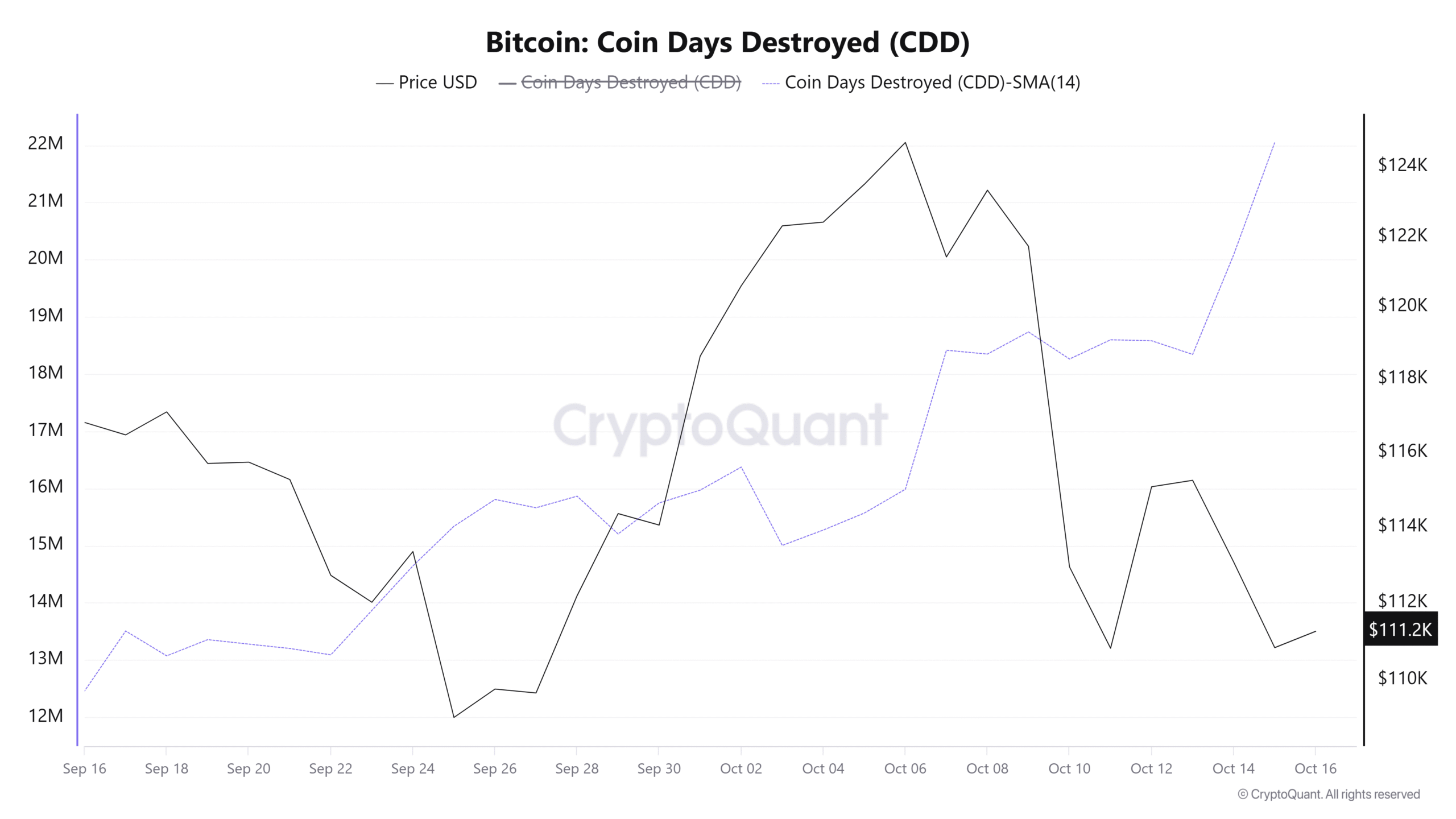
The October crash sent shockwaves through the financial markets, leading to widespread sell-offs and a heightened sense of uncertainty. While most eyes were on visibly dipping stocks and faltering investor confidence, there was a nuanced undercurrent affecting some of the market’s biggest players: the whales. These large-scale investors, often capable of swaying market directions with their hefty trades, exhibited patterns that, although less scrutinized, could provide key insights into the future of investing post-crash. Here, we delve into three overlooked trends in whale activity following October’s tumultuous turn.

1. Increased Accumulation in Non-Traditional Assets
Post-crash, while many investors scrambled to reallocate resources in traditional safe havens like gold or government bonds, a significant trend among whales was the increased accumulation of non-traditional assets. Cryptocurrencies and special purpose acquisition companies (SPACs) saw noticeable upticks in interest from these large entities. This movement suggests a strategy of diversification away from mainstream financial instruments, possibly driven by a search for assets uncorrelated with the broader market’s performance.
The attraction to cryptocurrencies could be attributed to their transcendence from niche to more mainstream investment classes, recently spurred on by broader institutional acceptance. Meanwhile, SPACs offer a quicker way to take companies public without going through traditional and sometimes tumultuous IPO processes— a potentially lucrative endeavor if timed correctly post-crash.
2. Strategic Moves in Environmental, Social, and Governance (ESG) Sectors
Another significant trend that emerged is the strategic positioning within sectors aligned with Environmental, Social, and Governance (ESG) principles. Post-crash, a flurry of whale activity was noted in industries such as renewable energy, clean technology, and sustainable agriculture. This move aligns with a broader global push towards sustainability, which has been further amplified by governmental policies and a societal shift towards environmental consciousness.
Investing in these sectors post-crash not only aligns with ethical and regulatory trends but can potentially offer resilience against future market downturns. Companies in the ESG sphere often benefit from regulatory support and a growing consumer base more attuned to sustainability, elements that can provide a cushion against market shocks.
3. Heightened Private Equity Interests
Lastly, the volatility of the public markets following the October crash led to an uptick in whale activity within private equity. With stocks experiencing sharp fluctuations, more predictable returns offered by private companies became increasingly attractive. Whales have been channelizing significant investments into private equity, focusing on industries less likely to be affected by the immediate economic aftermath of the crash such as healthcare, technology, and essential services.
Private equity investments allow whales to exert greater control over their investments and achieve returns potentially insulated from the erratic behavior of the public markets. This trend may forecast a larger shift away from public listings towards private dealings, particularly if market uncertainty persists.
Conclusion
The October market crash, while primarily highlighted for its immediate disruptive impacts, has also subtly reshaped how whale investors maneuver the financial seas. The increased accumulation in non-traditional assets, strategic ESG investments, and a heightened focus on private equity exemplify adaptive strategies in response to new market realities. These trends not only reveal the resilience and tactical shifts of whale investors but may also set new benchmarks for understanding and predicting large-scale investment behaviors in future economic landscapes.
By keeping an eye on these less-considered trends, industry observers and investors alike can gain valuable insights into the evolving strategies of major market influencers, potentially guiding more informed decisions in a post-crash economy.